 POS for Retail
 Sales Hub
 Product Hub
 Inventory Management
 Whatsapp Marketing
 Marketing Automation
 Browser Notification
 Email Marketing
 Fusion Mail
 SMS Marketing
 Fusion SMS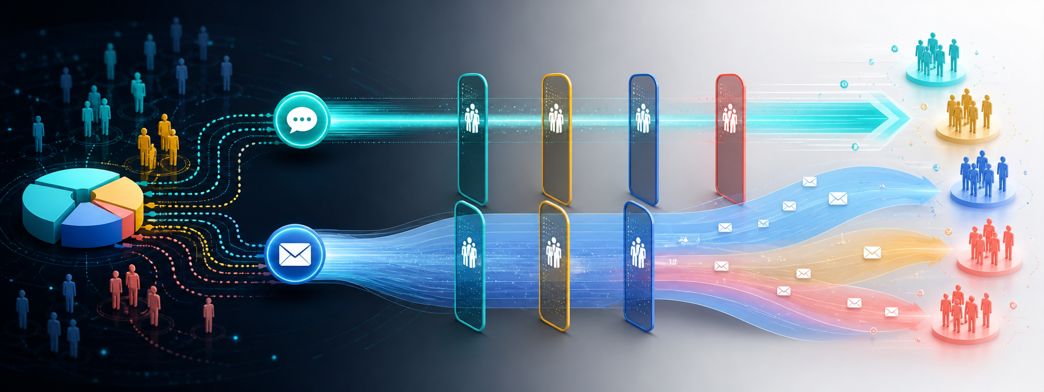
SMS Marketing vs Email Marketing
Compare SMS marketing and email marketing, and learn when each channel works best inside automated customer journeys.
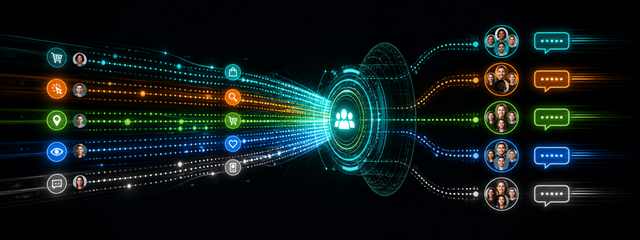
SMS marketing and email marketing are complementary channels, not replacements for each other. Email is better for longer explanations, rich visuals, newsletters, and multi-step education. SMS is better for short, timely, high-intent messages. sms audience segmentation helps teams decide which channel should speak to which customer and when.
SMS vs. email: key differences
| Factor | SMS | |
|---|---|---|
| Best use | Urgent, short, action-oriented messages | Detailed education and visual content |
| Message length | Brief and direct | Flexible and detailed |
| Timing | Immediate or event-triggered | Scheduled, nurturing, or editorial |
| Risk | Can feel intrusive if irrelevant | Can be ignored if too frequent or generic |

When to use SMS
- Abandoned cart reminders.
- Delivery, appointment, or account notifications.
- Back-in-stock and time-sensitive alerts.
- VIP early access and local messages.
- Short prompts tied to a clear action.
When to use email
Email is stronger when the customer needs context. Product comparisons, buying guides, onboarding education, newsletters, and multi-offer campaigns usually need more space than SMS can provide.
How segmentation connects both channels
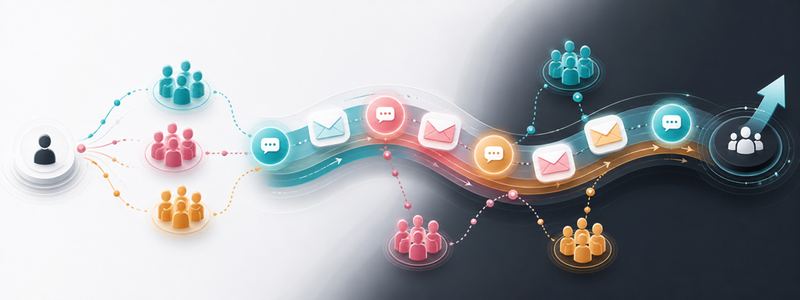
Segmentation can coordinate SMS and email so customers do not receive disconnected messages. For example, email can introduce a product line, while SMS follows up only with people who clicked but did not purchase. A good omnichannel segmentation approach also prevents over-contacting.
FAQ
Is SMS marketing better than email marketing?
Neither is always better. SMS is better for urgency; email is better for depth and education.
Should SMS and email use the same segments?
Not always. Email can support broader audiences, while SMS should usually use more specific high-intent segments.
How can SMS and email work together?
Email can educate and build interest, while SMS can prompt action when intent is clearer.
What is the main risk of SMS?
The main risk is sending messages that feel too frequent, irrelevant, or poorly timed.
What should teams measure across both channels?
Measure engagement, conversion, opt-outs, revenue, attribution overlap, and customer movement across lifecycle stages.